
Power Where It Matters Most: Reflections from AidEx Geneva 2025
The AidEx 2025 event in Geneva last month confirmed that the products being built by Team Lincolnshire Ambassador APKI have a critical role to play in disaster response and community recovery.
The APKI team attended AidEx 2025, one of the world's leading humanitarian aid and development events, and came away enthused and inspired.
Stepping forward to support the humanitarian sector
The event brought together global humanitarian leaders, NGOs, aid organisations and innovators all focused on one mission: getting life-saving support to people who need it most, as quickly and effectively as possible.
For APKI this was an opportunity to showcase how its portable power stations can deliver energy resilience in the contexts where it matters most – when disaster strikes, when infrastructure collapses, and when traditional power sources simply aren't available.
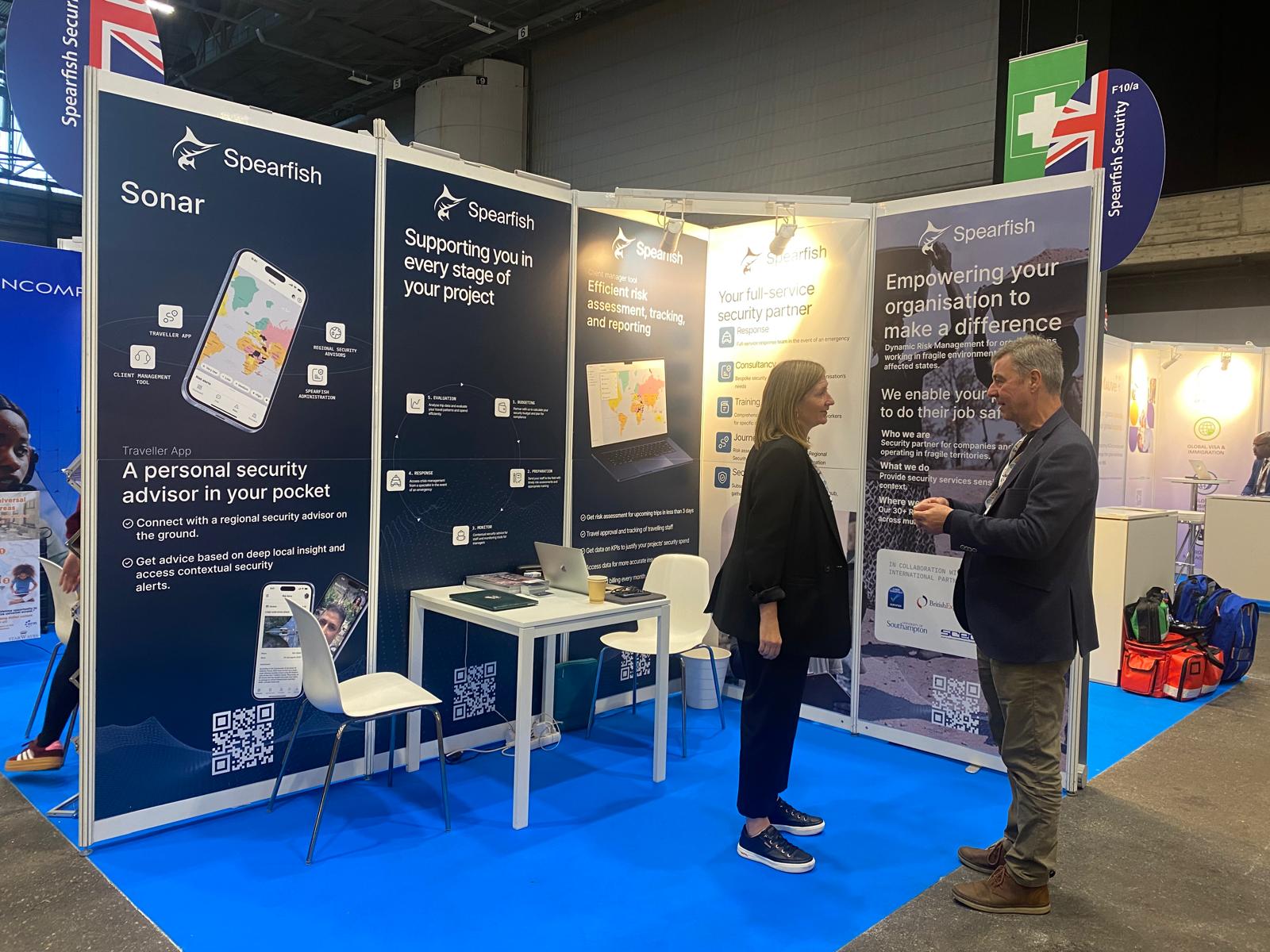
The conversations APKI had throughout the event served as a reminder of how transformative power can be in these contexts.
The reality of power failure in crisis zones
“One theme emerged repeatedly in our discussions with NGOs and field teams,” says Alan Greig, Senior Product Development Engineer at APKI. “When disasters hit, power infrastructure is often the first thing to fail and one of the last things to be restored.
“We heard first-hand accounts of relief operations delayed because there was no way to charge communication equipment; medical interventions complicated because field hospitals couldn't reliably power essential equipment; communities cut off not just physically, but digitally, unable to communicate needs or coordinate a response.”
Hurricane Melissa's recent devastation across Jamaica, Cuba and Haiti illustrated this perfectly, says Alan.
“The reports covered not only the structural damage and the devastating loss of life – they were also about widespread power outages and communication blackouts, which tragically meant that isolated communities were unable to call for help or access critical services.”
That’s precisely the gap that APKI’s portable power stations were designed to fill.
Operating where there is no grid, no wifi and no infrastructure
One of the most common questions APKI was asked at AidEx was about charging and deployment flexibility. Field teams operate in environments where assumptions about infrastructure simply don't apply: there's no grid, no wifi, no fuel supply chains, and sometimes, no roads.
“Our portable power stations are built for exactly these conditions,” says Alan. “They can be charged using traditional mains power when available, but they're also designed to work with solar panels or natural energy sources such as wind.
“This flexibility means that even in the most remote or devastated locations, our units can be recharged and redeployed without dependency on fuel deliveries or grid restoration.
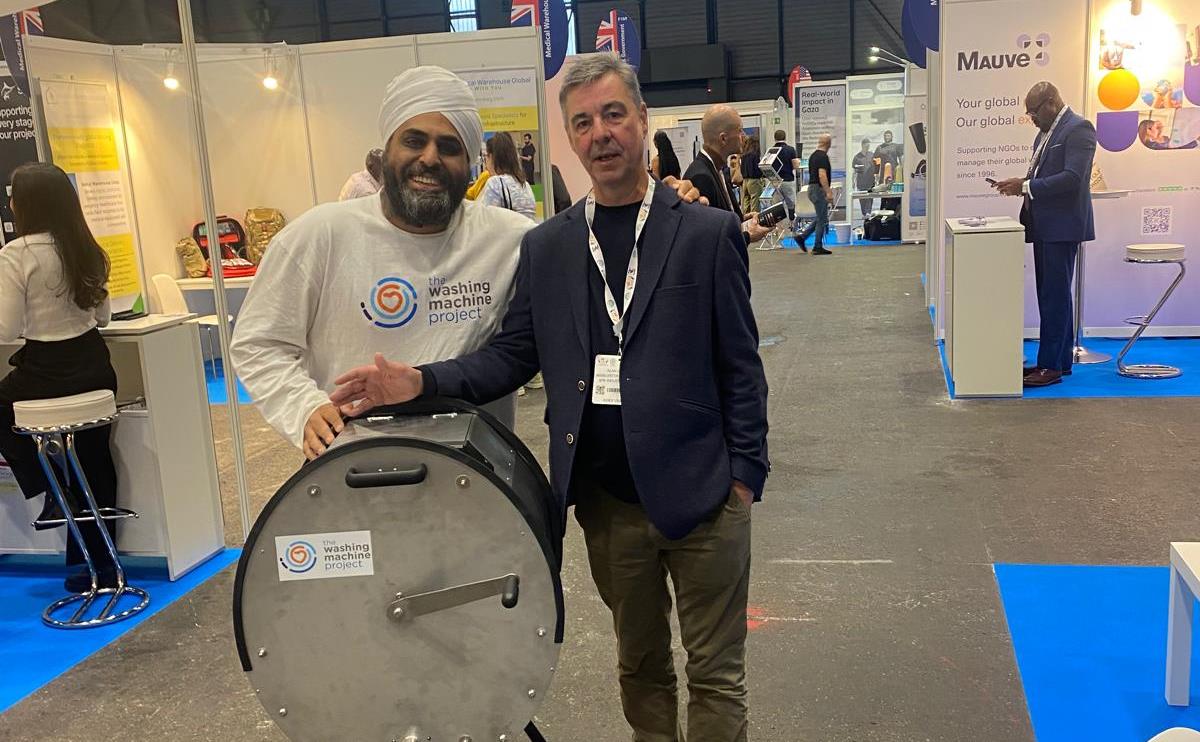
“And critically, they can be assembled anywhere, by anyone, with just two small hand tools. This design philosophy was inspired by innovators like Dr Navjot Sawhney and The Washing Machine Project, whose modular approach to humanitarian technology has been a genuine influence on our own thinking. It was a privilege to meet Navjot at AidEx.”
What impressed APKI most at AidEx wasn't simply the scale of the challenges the humanitarian sector faces, but the creativity and determination of the people working to solve these challenges.
“We explored opportunities to collaborate with organisations working on low-energy cooking and heating solutions, as well as manufacturers of medical equipment designed for field use,” Alan explains.
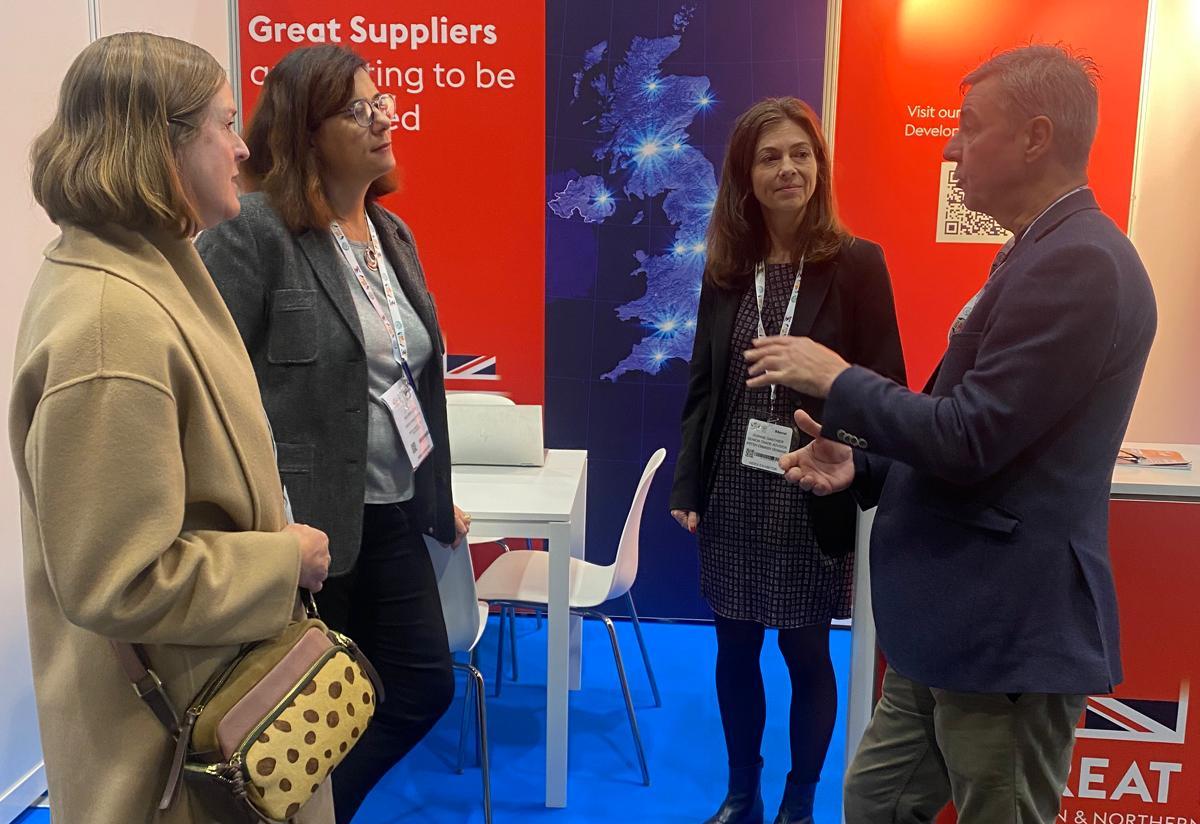
“A particular highlight was our time at the British Pavilion, where I had valuable discussions with the Department for Business and Trade about how UK-developed clean energy solutions can support humanitarian operations globally.
“It's encouraging to see government backing for British innovation in this space. The UK has extraordinary technical expertise and manufacturing capability, and connecting that expertise with global humanitarian challenges creates opportunities for real impact.”
The APKI team also met organisations like SurgiBox, Unit Export Limited and Spearfish Security, each bringing critical capabilities to humanitarian and emergency response contexts.
“The conversations we had in Geneva have opened doors,” says Alan. “We're now in ongoing dialogue with humanitarian partners about pilot programmes, field trials and deployment opportunities. We're exploring how our portable power stations can integrate into existing response frameworks and supply chains.
“We're also taking our product on the road. Over the coming months we'll be demonstrating our portable power stations to organisations across the UK and internationally, showing rather than telling how they perform, how quickly they deploy, and how they can support operations in challenging environments.”
Alan added: “At APKI, we believe that access to clean, reliable energy is a fundamental right, not a privilege. AidEx Geneva reinforced our commitment to that mission and showed us the path forward.
“The work continues – and we're more committed than ever.”